How it works:
Share your skin goals and snap selfies
Your dermatology provider prescribes your formula
Apply nightly for happy, healthy skin
How it works:
How it works:
Share your skin goals and snap selfies
Your dermatology provider prescribes your formula
Apply nightly for happy, healthy skin
How it works:
Foundation makeup for aging skin
Looking for the perfect foundation for your skin? We’ve got you covered


In this article
We all know how tricky it is to find a foundation with the right color and texture for your skin, let alone when you’re working with fine lines and wrinkles. If a smooth, even canvas is what you’re going for, it’s annoying (to say the least) when makeup settles into those creases. Luckily, there’s makeup out there designed to work for your skin—it just takes a bit of digging to find. That’s what we’re here for!
As skincare-obsessed as we are here at Curology, we’re always on the lookout for the best products that won’t irritate your skin, clog your pores, or settle into creases. To make it easier to find the right foundation for you, we’ve researched the best foundations for every skin type and analyzed their ingredients—because we’ll only ever recommend products whose ingredients we can get behind.
We aren’t affiliated with any of these brands, FYI. We just want to offer you all of the best options on the market that won’t clog your pores or irritate your skin!
How to choose the best foundation for your skin type
Finding a foundation with the right texture that won’t crease can feel like finding the Golden Ticket in a Wonka chocolate bar. The first trick to finding your perfect makeup match is knowing your skin type, and which formulas work best for it. The next best trick is to find the right way to apply it to get the final result you want: a foundation’s finish can differ depending on how you apply it, whether with your fingers, with a brush, or with a sponge (i.e., the Beauty Blender). Also, if you use a primer underneath, your foundation will go on smoother and stay on longer—but we’ll leave primers for another guide.
As for choosing a foundation that’ll suit your skin type, it’s actually pretty intuitive. If you’ve got oily or combination skin, a lightweight foundation with a matte finish is likely your best bet. If you’ve got dry skin, either a tinted moisturizer or foundation with a natural, glowy, or dewy finish (i.e., one with moisturizing properties) would be a good place to start. If you want to cover up anything like age spots, redness, fine lines, or hyperpigmentation, opt for a foundation with buildable, medium, or full coverage. The better coverage and finish your foundation has, the less concealer you’ll need to use to achieve your desired result—concealer often has a thicker or cakier texture, so less is always more.

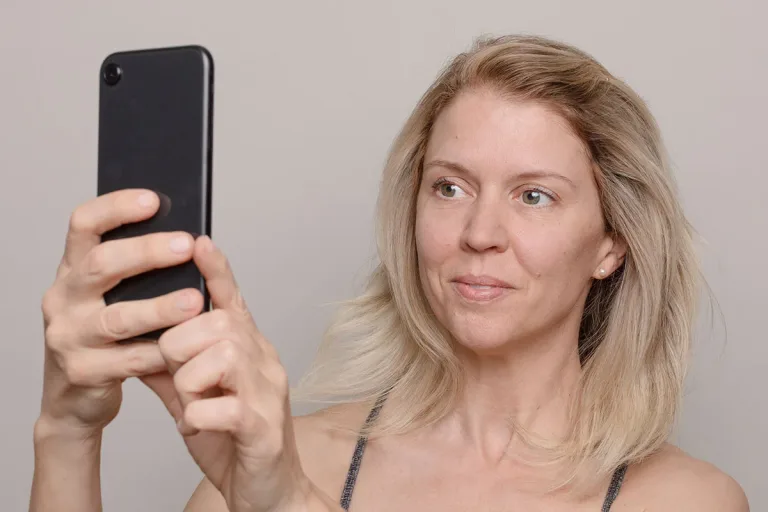
Best foundation makeup for fine lines and wrinkles
These are your best bets for buildable coverage: they’re lightweight, provide a decent amount of coverage with just one layer, and you can add on as needed in areas where you want more. Better yet, these are formulated to reduce unwanted creasing, making it easier to conceal fine lines and wrinkles if you so desire. Of course, we’re not saying you should cover them up—we believe in wearing any lines on our faces with pride, as a sign of a life well lived. So whether you want a smoother look or want to keep things au naturel, you do you!
We recommend…
Make Up For Ever Ultra HD Invisible Cover Foundation
Non-comedogenic (good for acne-prone skin)
Buildable, medium-to-full coverage
Natural finish
Sheer, buildable coverage to create a natural finish
Contains vitamin C for antioxidant protection
Simply Ageless + Olay Liquid Foundation
Reduces appearance of wrinkles and visibly evens skin tone
Moisturizing formula
Chantecaille Future Skin Oil-Free Gel Foundation
Oil-free gel foundation
Ultra lightweight texture
Buildable formula with adjustable coverage
Light-reflecting pigments
Contains no phthalates, sulphates, mineral oil, petrolatum, palm oil, synthetic colors, synthetic fragrances or GMOs
Chanel Les Beiges Eau De Teint
Natural, bare-faced finish
Lightweight, hydrating water-based formula
Tamarind seed extract is known to have moisturizing properties
Soothing neroli flower fragrance
Westman Atelier Vital Skin Foundation
Rich in antioxidants and formulated with active ingredients that help with redness, calm irritation, even out complexion, and boost moisture
Texture melts into skin for a radiant, natural finish
Includes coconut oil, so we don’t recommend for acne-prone skin
No silicones, parabens, PEGs, talc, pthalates, or synthetic fragrances
Vegan and cruelty-free
Koh Gen Do Maifanshi Aqua Foundation
Nourishes skin with minerals from the deep waters of Bretagne, France
Four types of powders create buildable coverage and prevent cakiness
“Moist Drop Powder” helps keep skin hydrated
Contains a blend of jojoba oil, olive squalane and shea butter to leave skin soft and supple
Suitable for all skin types
Natural, dewy finish
Sheer to medium buildable coverage
Formulated without artificial colors, synthetic fragrance, mineral oil derived from petroleum, or parabens
Cruelty-free
Koh Gen Do Maifanshi Gloss Film Foundation
Contains coconut oil, so we don’t recommend it for acne-prone skin
“Gloss Film Powder” provides a seamless, comfortable, weightless feel
Soft focus pigments impart a radiant finish that blurs the appearance of pores
Hydrates and nourishes skin with a blend of jojoba oil, olive squalane and shea butter, hydrolyzed silk, and collagen
Suitable for all skin types
Natural matte finish, sheer to medium coverage

Best lightweight foundation
For those who don’t want to feel like they’re wearing foundation but want to even out their skin tone, cover up dark circles, or just brighten up the appearance of their skin in targeted areas: these foundations are for you. Some of them even double as tinted moisturizers with beneficial skincare ingredients, all while leaving your skin looking smooth and polished with a weightless finish.
We recommend…
ILIA True Skin Serum Foundation
Contains vitamin C to help protect the skin from sun damage
Aloe leaf, rosehip, jojoba and marula oils soothe and hydrate the skin
NARS Natural Radiant Longwear Foundation
Lightweight formula
Up to 16 hours of fade-resistant wear
Buildable, medium to full coverage
Breathable, fade-resistant formula is infused with raspberry, apple, and watermelon extracts to help smooth and improve the look of your skin
Lancôme Dual Finish Multi-Tasking Powder Foundation
Can be applied wet or dry, depending on desired effect
Buildable, sheer-to-full coverage with a weightless feel
Convenient compact for on-the-go touch-ups
35 shades
Clinique Even Better Glow Light Reflecting Makeup SPF 15
Lightweight formula delivers a luminous, flawless finish
Includes SPF 15, plus vitamins C and E for antioxidant protection
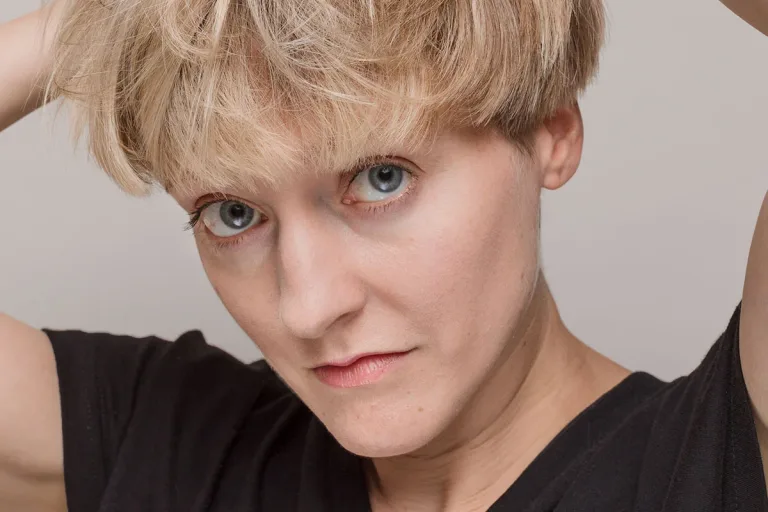
Best full-coverage foundations
For those who want full-on coverage that hides fine lines and pores, these foundations are right up your proverbial alley.
We recommend…
Laura Mercier Flawless Fusion Ultra-Longwear Foundation
Full coverage with up to 15 hours of wear
Sweat, humidity, water and transfer-resistant
Coated pigments glide on to even out skin tone and minimize the look of pores, spots, and lines
Controls the appearance of oiliness (immediately and throughout the day)
Matte finish without looking dull, flat or cakey
Weightless texture for a second-skin feel
Oil-free, fragrance-free, non-comedogenic, and dermatologist-tested
Lancôme Teint Idole 24H Ultra Long Wear Foundation
Oil-free formulation
Buildable, natural-looking coverage stays matte for up to 24 hours
Available in 45 shades
Hourglass Vanish Seamless Finish Foundation Stick
Combines the coverage of a concealer with the blendability of a liquid
Long-wearing, waterproof coverage that blends seamlessly with skin
Convenient stick formula for travel and on-the-go touch-ups

Don’t forget the sunscreen!
No matter where you are along this lifelong journey in your unique skin, it’s important to wear sunscreen—every day, no matter the weather or the season. It’s one of the best things to protect your skin from damage, premature aging (wrinkles are fine, but who wants them ahead of time?) and, of course, skin cancer. There exist a variety of foundations on the market with built-in sunscreen, which is great. But if your foundation doesn’t have SPF 30 or higher, you’ll definitely want to add additional sunscreen—and don’t forget the essential step: reapplying.
Powder sunscreens like ILIA Radiant Translucent Powder SPF 20 are a great, easy way to re-up your sun protection throughout the day without messing up your makeup. Bonus: a little powder will also get rid of any oiliness that’s accumulated on your skin, making your makeup look fresh again!
Best foundations with sunscreen for aging skin
Although these foundations contain SPF, remember: that alone might not be enough sun protection, especially if you don’t want to reapply your foundation throughout the day. You could start with a layer of face sunscreen underneath your makeup, or reapply sunscreen on top of your makeup throughout the day (we recommend reapplying sunscreen every 2 hours at least). We recommend SPF 30, at minimum. Remember, even if your foundation does have SPF 30 or higher, SPF isn’t a one-and-done deal: you need to reapply sunscreen throughout the day for it to keep working.
Vichy Dermafinish Fluid Corrective Foundation
Long-lasting wear
Full coverage
SPF 30
A little goes a long way!
IT Cosmetics Your Skin But Better CC Cream with SPF 50+
Non-comedogenic (good for acne-prone skin)
Great built-in sun protection
Long ingredient list, so maybe avoid if you have sensitive skin (or if you’re a minimalist)
Laura Mercier Tinted Moisturizer Broad Spectrum SPF 20
NOT the oil-free version—it contains ethylhexyl palmitate, a comedogenic ingredient
Blends skincare with makeup to hydrate while providing sheer coverage
Contains vitamins C and E to protect skin from free radical damage
Contains sodium hyaluronate to hydrate skin and reduce the appearance of fine lines and dry skin
Protects with SPF 20
NARS Pure Radiant Tinted Moisturizer Broad Spectrum SPF 30
Lightweight tinted moisturizer that imparts a natural, glowing finish
Contains vitamin C derivative to reduce the appearance of dark spots
Combines hydration with SPF 30
Supergoop! CC Cream Daily Correct Broad Spectrum SPF 35 Sunscreen
Corrects uneven pigmentation and softens the look of fine lines and pores
Contains sodium hyaluronate to maintain long-lasting hydration, plus vitamins and minerals to protect from free radical damage
100% mineral-based SPF 35

Best powder foundations
What’s the deal with mineral makeup? It typically contains ingredients like titanium dioxide, zinc oxide, mica, and iron oxides, which serve different purposes from giving the skin a matte finish, to hiding the appearance of pores, to blocking the sun’s harmful rays. Mineral foundation tends to have fewer ingredients, which is a good thing for people with sensitive skin. But if you have oily skin, it might not be compatible: when mineral powder combines with oil, it may appear cakey or clumpy — not a good look.
We recommend…
Alima Pure Satin Matte Mineral Foundation
Light to medium coverage
45 shades
Vegan, nut-free, gluten free, cruelty free
bareMinerals Blemish Rescue Loose Powder Foundation
Contains acne-fighting salicylic acid and soothing oat protein
Buildable formula allows for breathable, natural-matte finish
Cover FX Pressed Mineral Foundation
Offers buildable, sheer-to-full coverage
Comes in 40 shades
Contains kaolin clay to absorb oil and maintain an all-day matte finish
Glo Skin Beauty Pressed Base Foundation
Safe even for sensitive skin
Contains vitamin C and vitamin E to provide antioxidant protection
Delivers customizable, sheer-to-full coverage with a semi-matte finish
PÜR 4-in-1 Pressed Mineral Powder Foundation SPF 15
Long-lasting, matte finish
Contains vitamin B3 to treat uneven skin tone
Built-in SPF
Mineral Fusion Pressed Powder Foundation
Vitamins C and E for antioxidant protection against free radical damage
Aloe vera and cucumber to soothe irritated skin
Triple-milled minerals for silky, blendable coverage
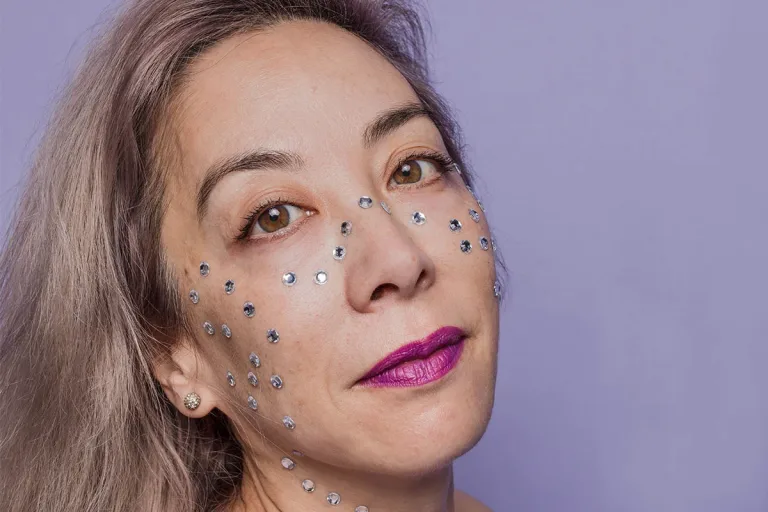
Best drugstore foundations
These are foundations you can buy at the drugstore (or online, but for drugstore prices) as opposed to “high-end” foundations with higher price tags—which some consider totally worth it, which is fine! We just want to make sure you can find the right product for you, whatever your preferred price point. Whether or not high-end foundations are worth the premium is totally up to your personal preference; as always, the quality of the foundation depends on the ingredients in each product. High-end makeup products aren’t necessarily “better,” and these foundations prove it.
Physicians Formula The Healthy Foundation SPF 20
Lightweight feeling with medium coverage
Satin finish that mimics the look of skin
SPF 20 with an antioxidant blend of vitamins C and E
e.l.f. Flawless Finish Foundation
Comes in 40 shades
Lightweight formula delivers an all-day, semi-matte finish
L’Oreal True Match Super Blendable Makeup
Wide range of shades to match skin color and undertone (cool vs. warm)
SPF 17 (you’ll want to wear a higher-SPF face sunscreen underneath for full protection)
Neutrogena Hydro Boost Hydrating Tint
Oil-free formula
Contains hyaluronic acid for intense, 24-hour moisture
Natural finish that won’t settle into fine lines due to hydrating formula

How to check if a product has potentially pore-clogging ingredients
It’s always a good idea to keep an eye on the ingredients of any products you use—makeup, included. Luckily, there’s a (free!) tool that makes it easy to check any product for ingredients that can clog pores. Check out our quick-and-easy guide to checking products for pore-clogging ingredients!
Note on the different types of alcohol in cosmetics
One rule of thumb: try to avoid foundations and any product that contains alcohol, denatured alcohol (aka “alcohol denat.”), or isopropyl alcohol. Alcohol doesn’t clog pores, but it can be very irritating and drying—and it can exacerbate any pimples that are already red and inflamed. Some products have very small amounts of alcohol (found towards the end of the ingredients list) which might not irritate skin, but it’s best to err on the side of caution if you’re particularly sensitive.
The exceptions: alcohols that are okay for your skin While denatured alcohol (aka “alcohol denat.”) or isopropyl alcohol are best avoided, there are other types of alcohols used in cosmetic products—including cetyl, stearyl, and cetearyl alcohol—which are non-irritating, and are used to give a pleasing texture and help keep ingredients stable in products. Stearyl alcohol has a long history of safe use in personal care products, with no evidence of comedogenicity.
Coconut alcohol is another kind found in skincare and cosmetic products that is an exception to the “no alcohol” rule. Derived from coconut oil, coconut alcohol is an emulsifier with emollient properties. It’s considered a non-comedogenic (i.e., won’t clog pores), non-irritating, safe and effective ingredient.

Don’t be afraid to break up with your makeup
We know it isn’t easy to choose a foundation that checks all the boxes: the right texture, color, consistency, finish (matte or glowy?), and a formula that won’t crease. Each and every one of the foundations we recommend here has a unique look and feel, so you’ll probably want to try out a few to find what works best for you. But take it from the experts: a product’s ingredients should be your #1 concern before putting anything on your skin, especially if you’re prone to irritated skin or adult acne.
If all these choices seem overwhelming, or your skin doesn’t seem to like wearing any foundation, there’s absolutely no shame in forgoing foundation! It can be beneficial to give your skin a break from makeup (even non-comedogenic makeup). You could just use a little concealer here and there, instead—or a tinted moisturizer or BB/CC cream (check out our guide to BB and CC creams on the blog).
If you’ve gotten this far and you feel ready to break up with makeup altogether, try the minimalist approach: just smooth on some face sunscreen in the morning, and you’re golden. Your skin will thank you—especially since you’ll have more time to hit the snooze button.
Curology Team
Related Articles
What’s the deal with Curology?Ask Curology: mineral vs. chemical sunscreenAsk an expert: What are the best skincare ingredients?Pimple patches, explained: How they help (and where they fall short)Why prescription skincare changes the gamePopular Articles
Ask Curology: Is my cold breaking me out?Slugging: The dermatologist-approved skincare hack going viral on TikTokTretinoin vs retinol: What’s the difference?How to create a self-care routine that actually sticksYour 2023 skincare horoscopeTry prescription skincare
Get routine essentials


Face what’s next with Future-ProofRx
Face what’s next with Future-ProofRx
- Skin texture
- Fine lines
- Wrinkles
- Dark spots
- Dullness
$29.95/month